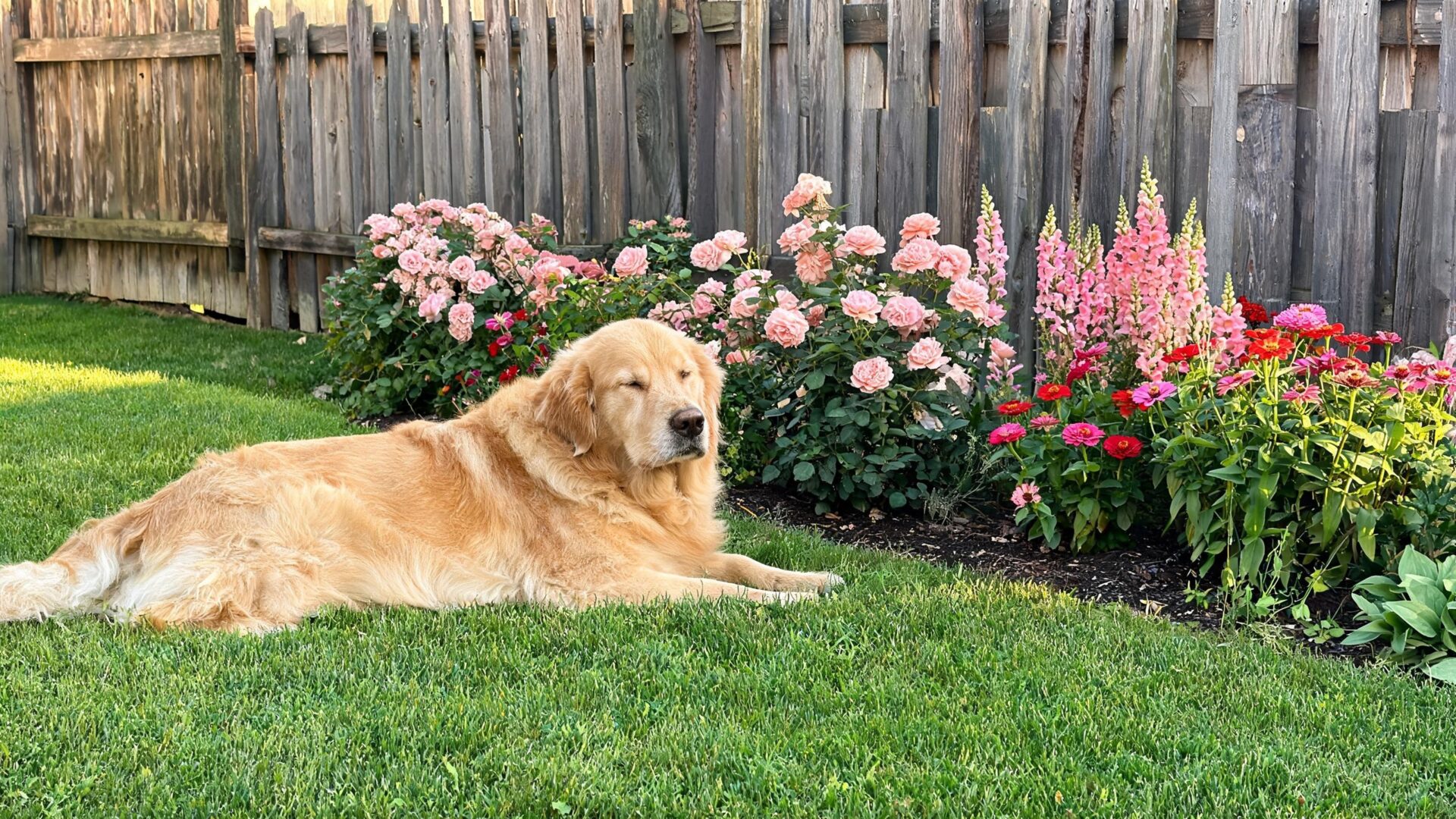
You don’t have to choose between a yard that turns heads and a dog that’s safe running loose in it. The worry is fair, though: azaleas and sago palms are handsome plants, and foxglove might be the deadliest thing on the garden-center bench. All three can land a dog in the emergency vet overnight.
Every plant here sits on the ASPCA’s non-toxic list for dogs, and not one of them looks like a compromise. There are roses that bloom till frost, a tree that flowers before winter ends, and safe swaps for a couple of toxic classics you thought your garden needed.
So open the gate and let the dog patrol. Here’s what to plant:
Shrub Roses
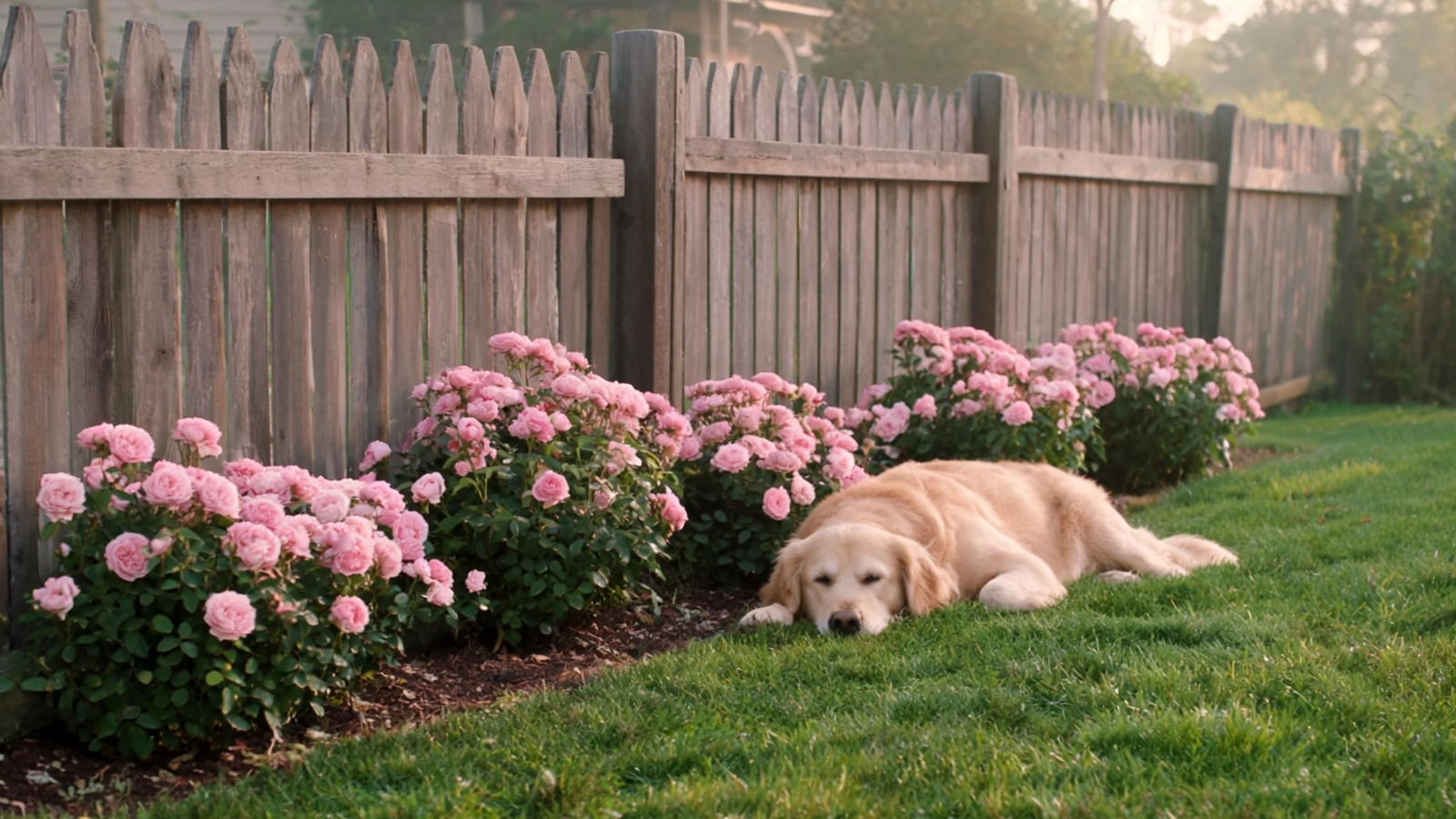
Roses are non-toxic to dogs, thorns and all, and no shrub works harder at the front of a fence. Modern landscape types like the Knock Out series bloom from May to frost on 6 hours of sun without any deadheading. The name is the thing to watch: Christmas rose and desert rose aren’t roses at all, and both belong on the danger list. And if your dog digs, skip granular systemic rose feeds. Use a liquid feed instead.
- Hardiness Zone: 4-9 (most shrub roses)
- Mature Height: 3-5 feet
- Growth Rate: Fast
Camellia
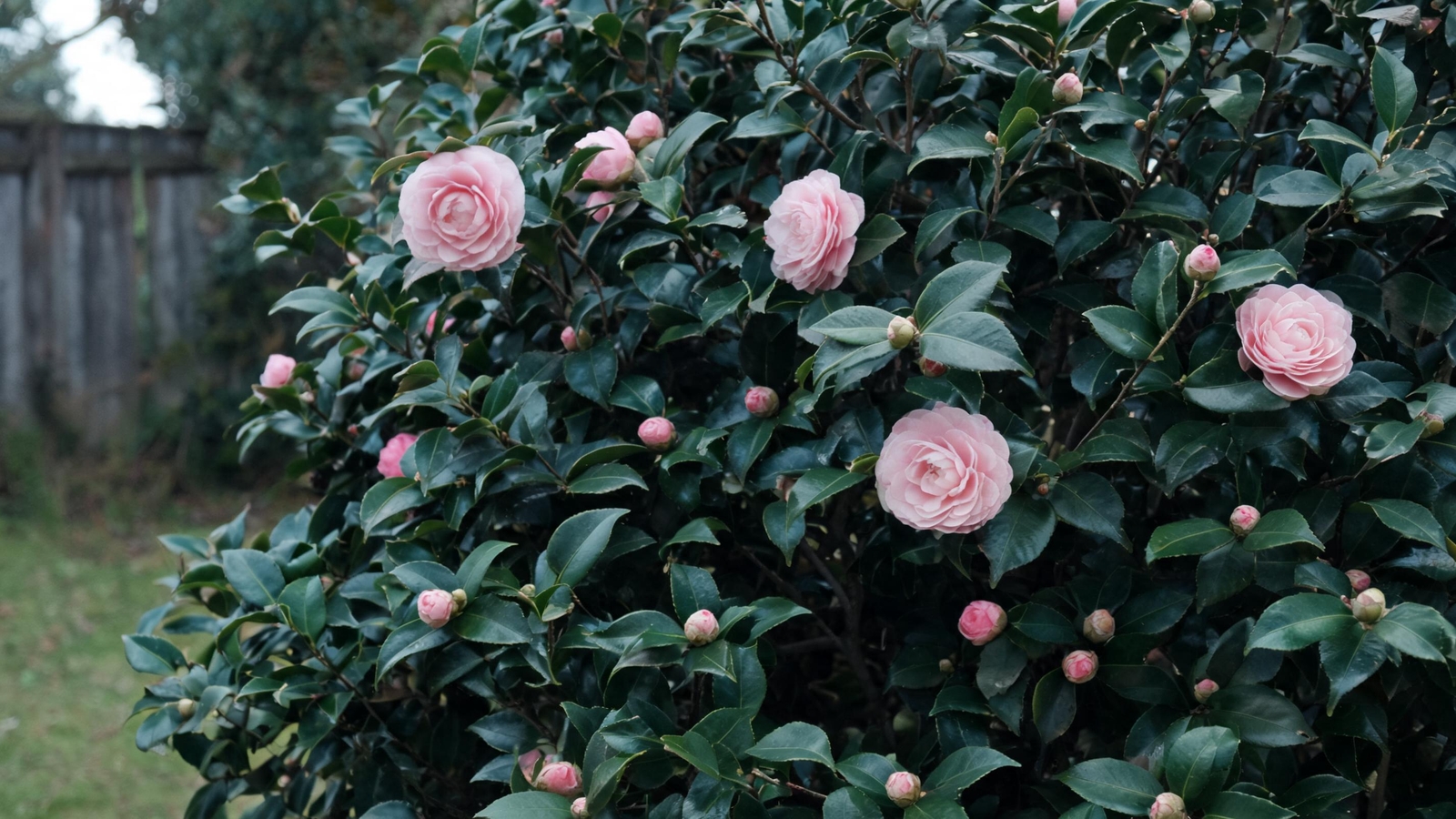
Pull the azaleas and plant camellias in their place. Azaleas carry grayanotoxins, and a few chewed leaves mean a vet visit, while a camellia hands you the same glossy evergreen structure plus rose-like blooms from October into March, depending on the type. Give yours morning sun and afternoon shade in acidic soil that never dries out completely, or the flower buds drop. It’ll build slowly, about a foot a year, into the prettiest 8-footer on the street.
- Hardiness Zone: 7-9
- Mature Height: 6-12 feet over time
- Growth Rate: Slow
Crape Myrtle
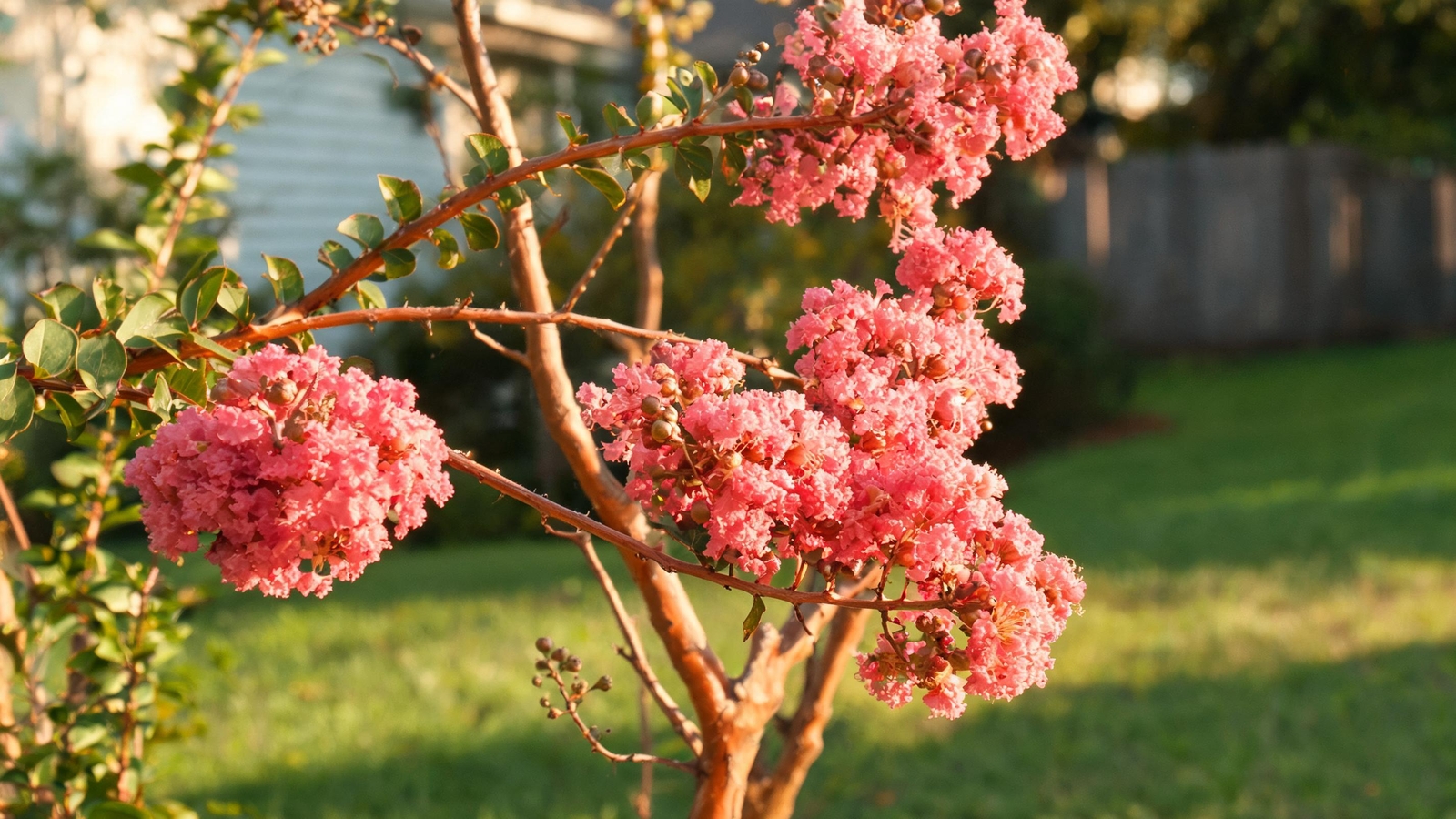
Up to 100 days of bloom is the crape myrtle’s opening argument, crinkled flower clusters in watermelon pink or white right through the worst of summer. The smooth cinnamon bark underneath is the best winter feature nobody plants it for. It’s non-toxic top to bottom. Give it full sun and it shrugs at drought once established. Buy one in bloom this month, so you know exactly which color you’re getting.
- Hardiness Zone: 7-10 (root-hardy to 6)
- Mature Height: 15-25 feet (dwarf types 3-5 feet)
- Growth Rate: Fast
Star Magnolia
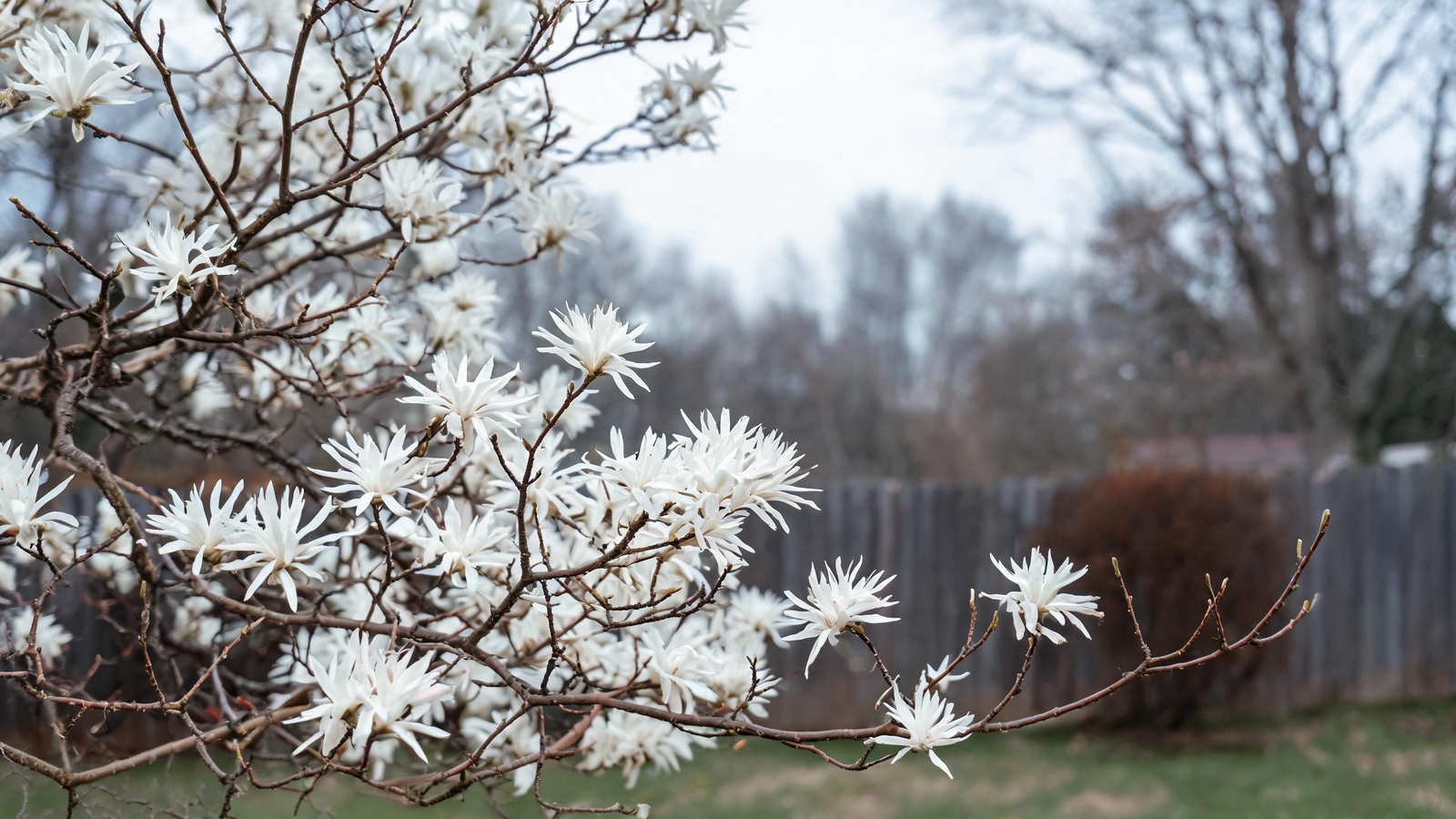
If a tree is going into your dog’s yard, make it a star magnolia. It flowers in late winter, white starbursts on bare branches before anything else moves, then keeps a tidy 15 to 20 feet, so it’s the right scale for a backyard. Petal drop is harmless underfoot, so let the dog nose through it. Plant it out of the north wind, because those early flowers brown in a hard late frost.
- Hardiness Zone: 4-8
- Mature Height: 15-20 feet
- Growth Rate: Slow
Sunflowers
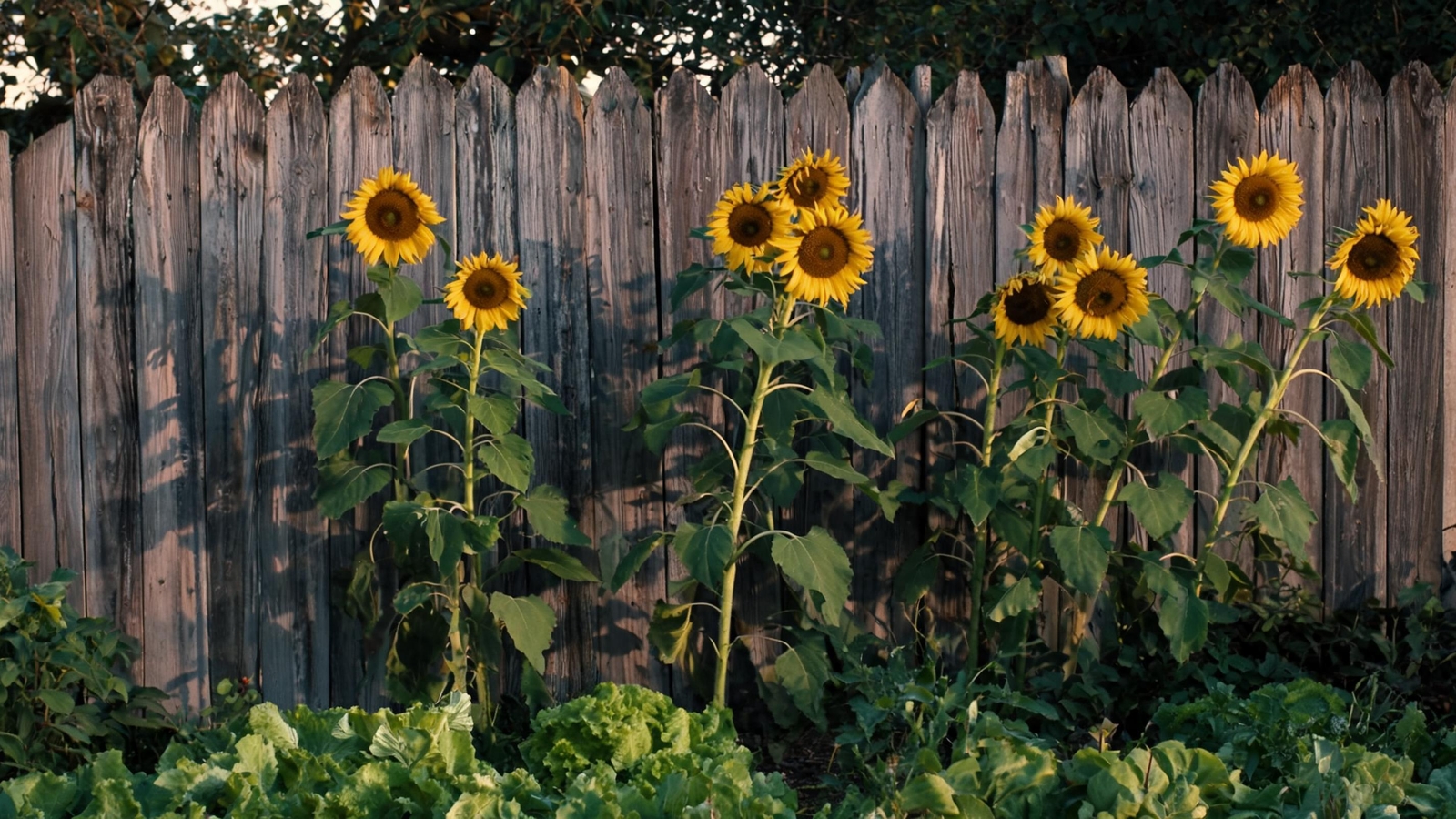
Sow sunflower seeds where you want them, even now. They put down a taproot that sulks when moved, and mid-July sowings in most zones still bloom by mid-September. Branching types like ‘Autumn Beauty’ give you armfuls instead of one stalk. The seeds are non-toxic, which matters, because your dog will eat the dropped heads in October. One rule covers this whole list: safe doesn’t mean unlimited, and a dog that gulps any plant by the mouthful earns an upset stomach.
- Hardiness Zone: Annual in all zones
- Mature Height: 2-12 feet by variety
- Growth Rate: Very fast (60-100 days from seed)
Zinnias
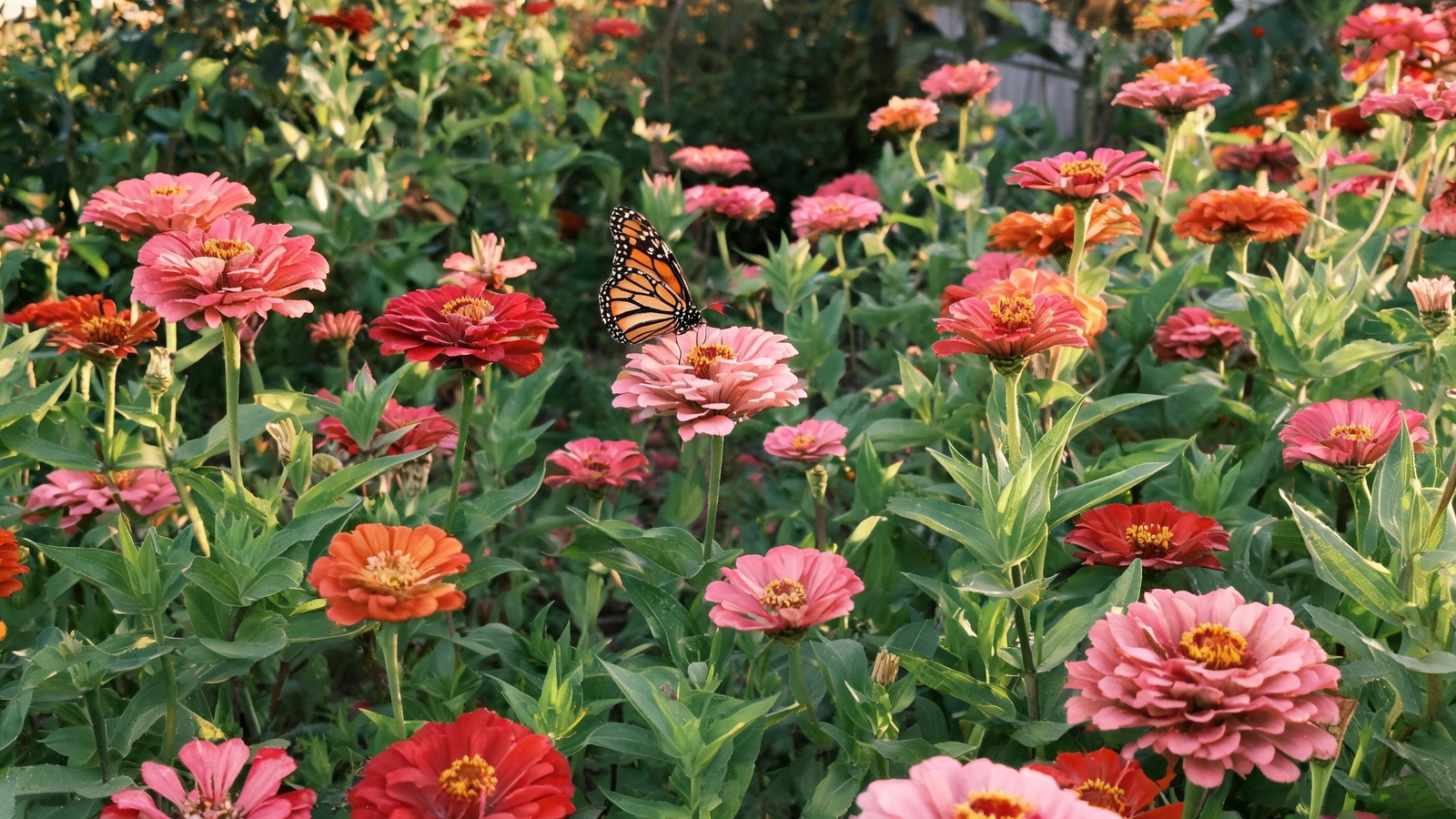
Sixty days. That’s all a zinnia needs between seed and first flower, so mid-July is still inside its sowing window. Scatter ‘Zahara’ or ‘Profusion’ seed into warm soil and they’ll hit full stride by September, swarmed by butterflies. Water at the base, not the leaves. Wet foliage invites powdery mildew on the old-fashioned tall types. Cut a handful for the kitchen table and the plant answers with two more.
- Hardiness Zone: Annual in all zones
- Mature Height: 1-4 feet by variety
- Growth Rate: Very fast (about 60 days from seed)
Coral Bells
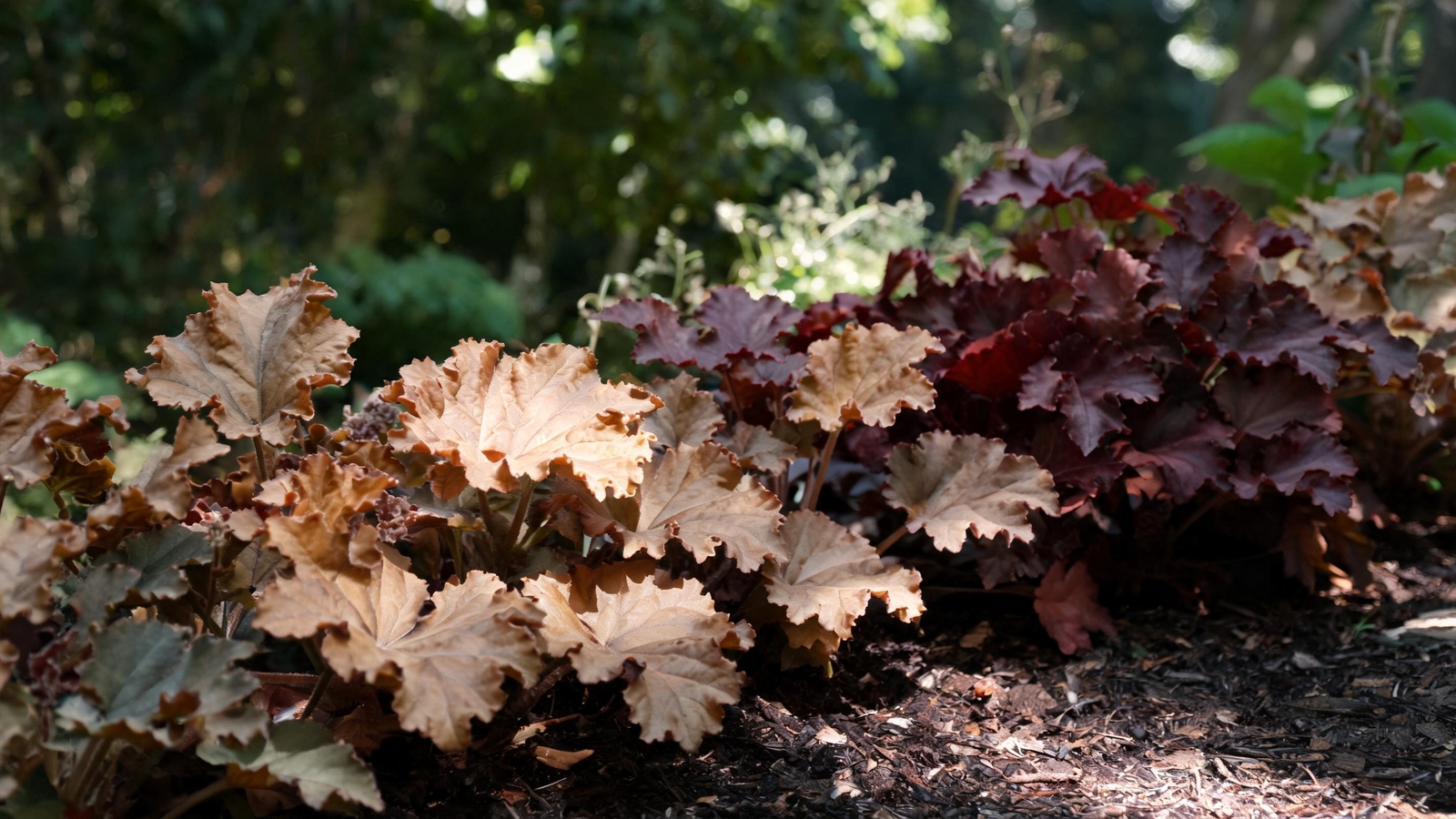
Hostas are everyone’s default shade plant, and they’re mildly toxic to dogs. The saponins in those leaves bring on vomiting if your dog chews them. Coral bells do the same job with more color. Ruffled foliage in caramel and deep burgundy holds from April to hard frost, and hummingbirds work the airy 2-foot flower spikes in June. Mulch the shallow crowns each fall, never with cocoa shells, which are chocolate’s leftovers.
- Hardiness Zone: 4-9
- Mature Height: 8-18 inch mounds, 2-foot flower spikes
- Growth Rate: Moderate
Snapdragons
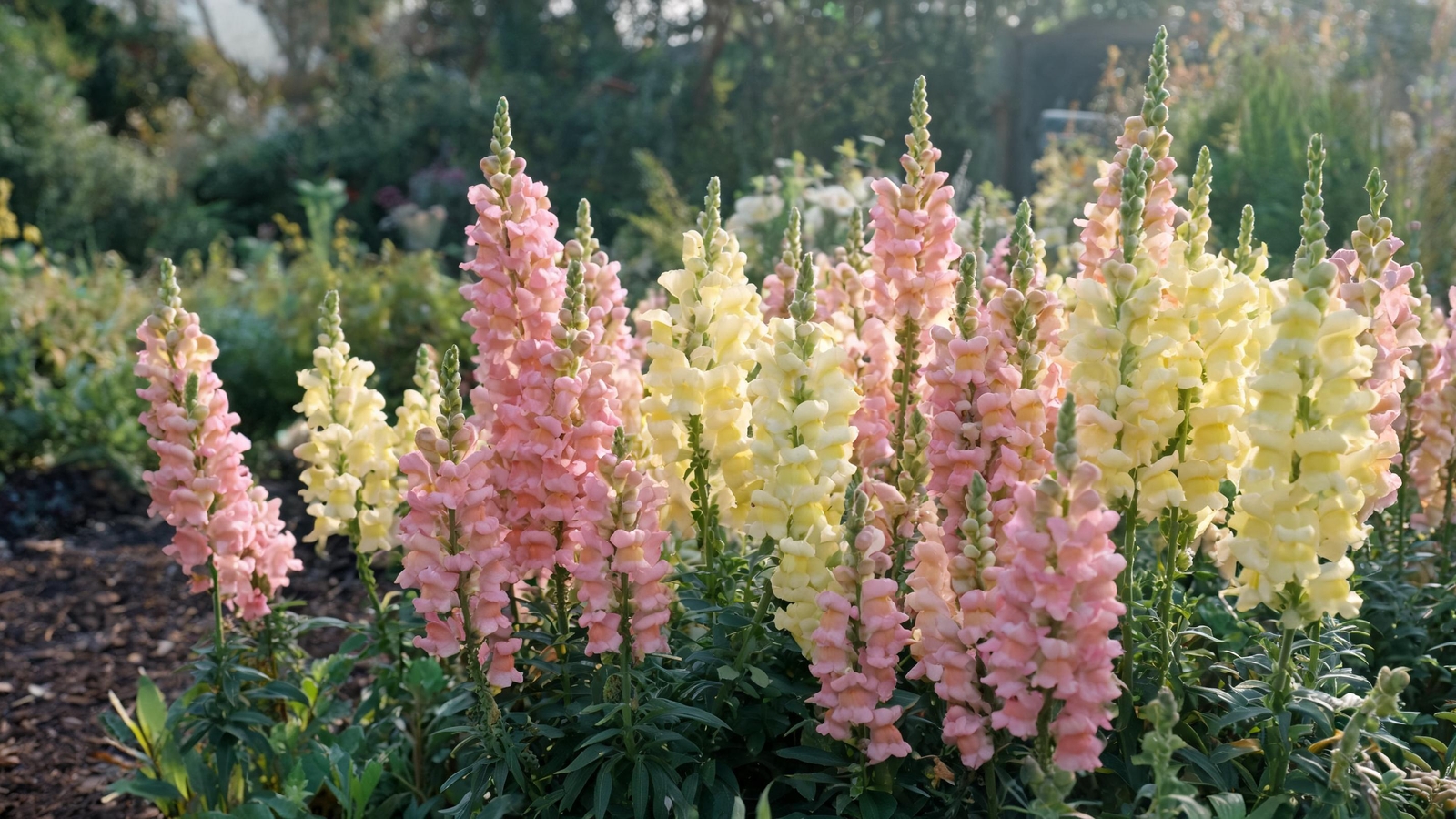
Foxglove built the classic cottage spire, and it’s one of the deadliest things you can plant around a dog. Snapdragons hand you the same vertical color with none of the risk, and kids can still pinch the blooms to make the dragons talk. They’re a cool-season flower, so write this one down for September. Fall-planted snaps bloom through autumn, and in mild-winter zones they’ll come roaring back before your roses wake up.
- Hardiness Zone: Annual (short-lived perennial in zones 7-10)
- Mature Height: 8 inches to 3 feet by variety
- Growth Rate: Fast
Petunias
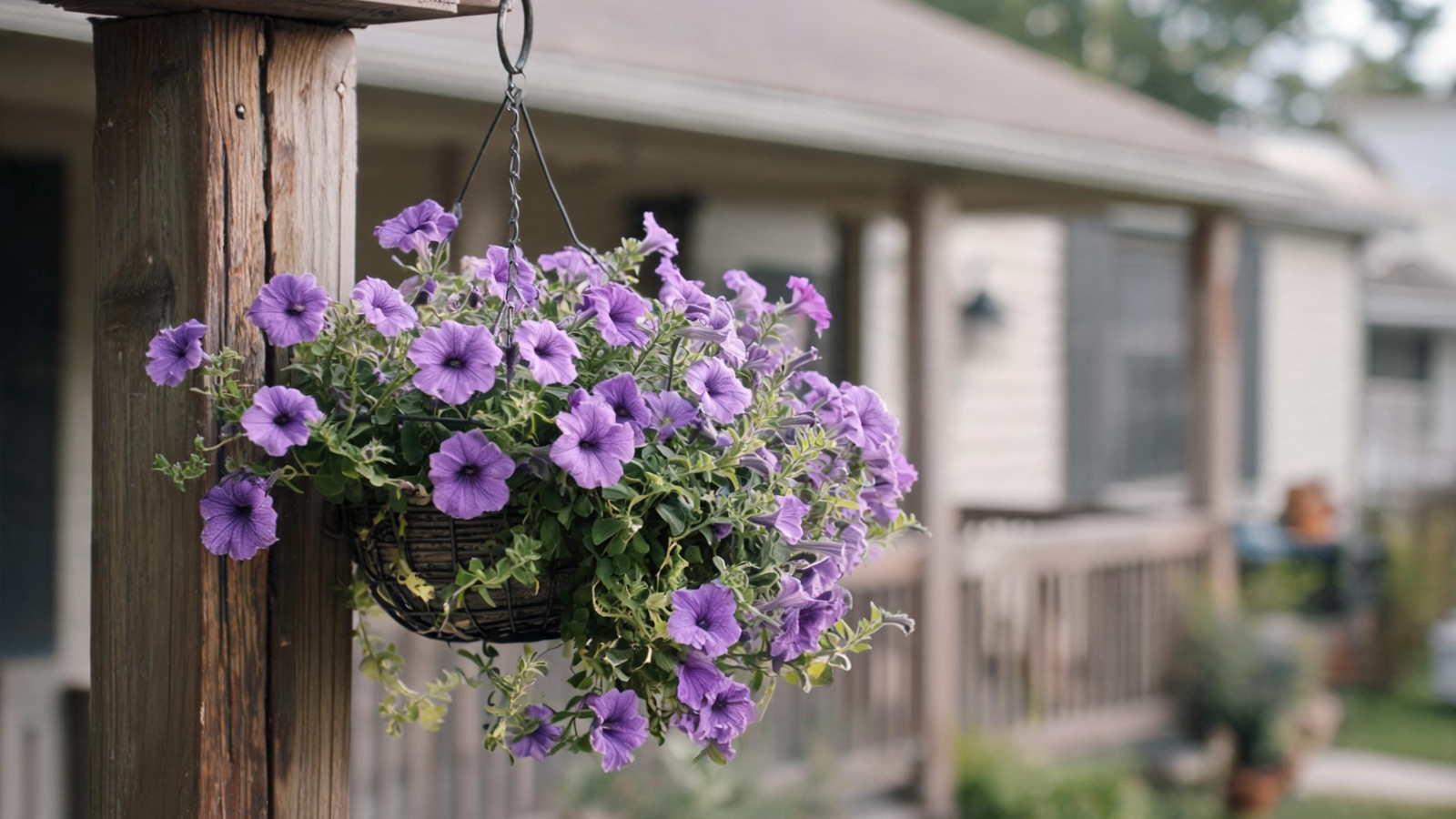
There’s no polite way to say it: nothing out-blooms a petunia for the money. One ‘Wave’ plant runs 3 feet in a season and flowers until frost with zero deadheading. They’re safe for dogs, worth knowing since petunias live at nose height in baskets and porch pots. Feed container plants every 2 weeks, and when stems go leggy in late July, cut them back by half. You’ll have a full basket again in ten days.
- Hardiness Zone: Annual (perennial in zones 10-11)
- Mature Height: 6-12 inches, trailing to 3 feet
- Growth Rate: Fast
Dwarf Fountain Grass
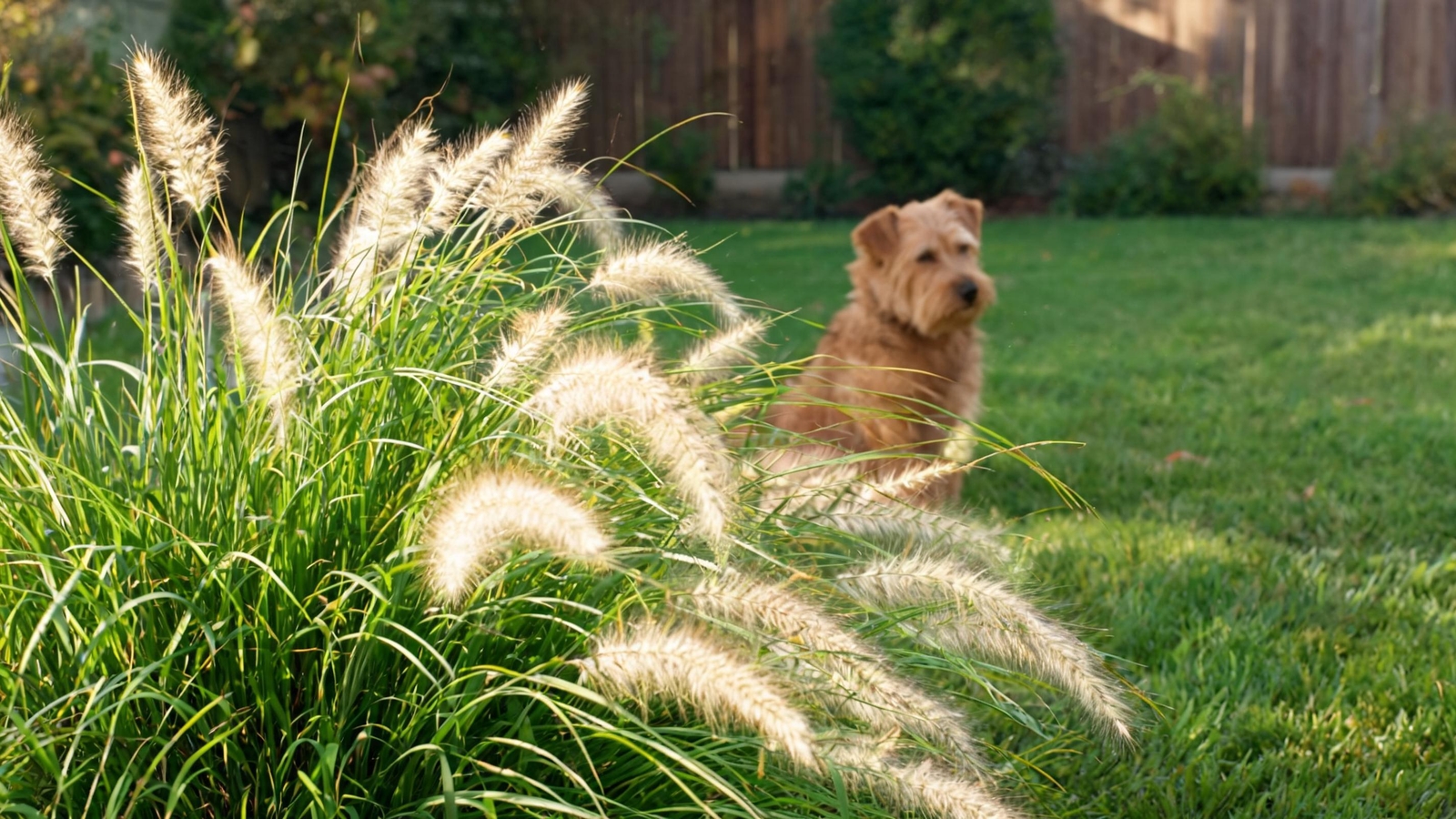
Every dog’s yard needs one plant that moves, and dwarf fountain grass is the one to build around. Ornamental grasses are what dogs nibble anyway, and ‘Hameln’ sits on the safe list. It makes a 2-to-3-foot arc of blades topped with bottlebrush plumes from August into fall, then turns wheat-gold and stands all winter. Give it full sun, then almost nothing: it won’t ask for water once established, and the job list is one haircut to 5 inches each spring.
- Hardiness Zone: 5-9
- Mature Height: 2-3 feet
- Growth Rate: Moderate